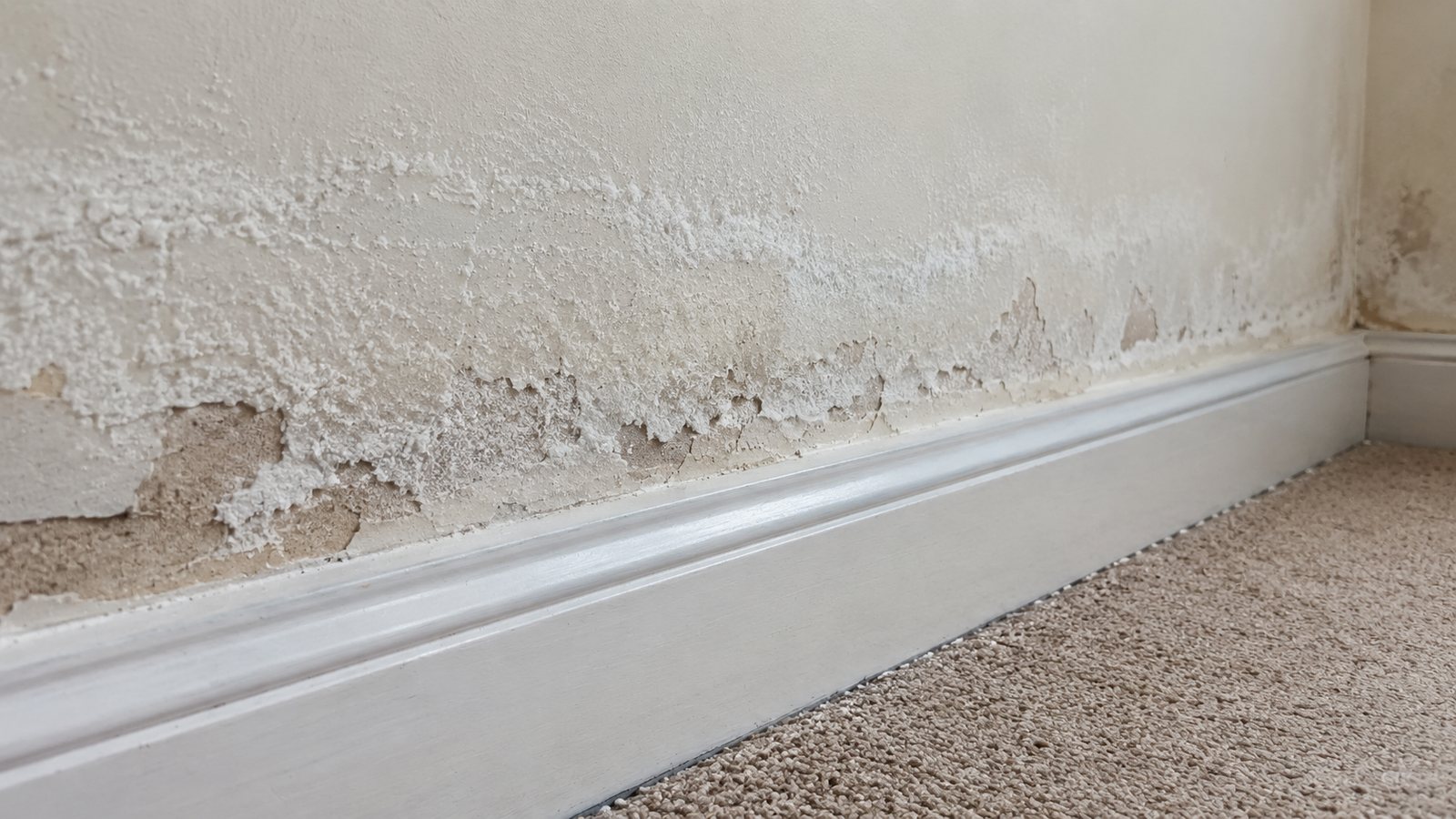
The wall may be wet behind the skirting
Low-level masonry moisture can transfer directly into the timber. If only a short section is affected, compare it with external ground levels and nearby plumbing rather than assuming the whole wall has a DPC failure.
Suspended floors need a look below
In older houses, floor joists often bear into external walls. A damp wall combined with blocked air bricks or poor sub-floor airflow can keep joist ends wet. The skirting may be the visible part of a wider concealed problem.
Leaks can travel along floor edges
A small radiator or pipe leak can wet the floor edge and skirting some distance from the actual joint. Staining under a radiator valve is obvious; moisture moving beneath boards or screed is not.
Replacing the skirting is the last part
New timber fixed against masonry that is still wet will quickly develop the same problem. The moisture source and any decayed concealed timber need dealing with before the decorative repair.
Looking for someone local to inspect it?
You can put the details of the damp problem through MyJobQuote and request quotations from damp-proofing contractors who work in your area.
Find a local contractorQuote requests are provided by MyJobQuote, an independent third-party service. Local contractors may respond to your request.