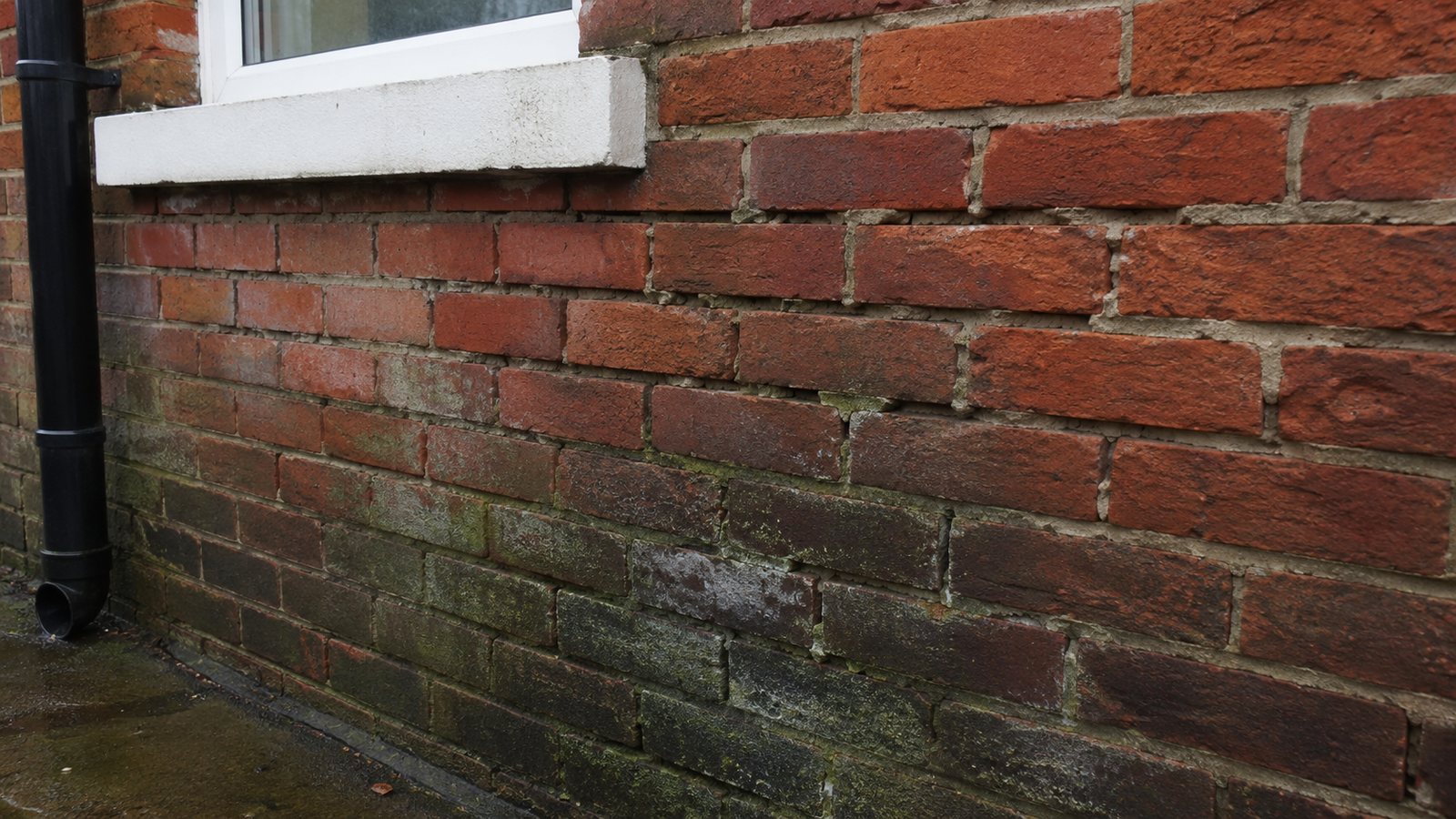
Terraces and older brickwork
Manchester City Council records late nineteenth-century terraces in Graver Lane and describes red brick, stone dressings and slate roofs as prevalent traditional materials there. In solid masonry of this type, pointing, rain exposure, chimney details and ground levels can all influence internal damp.
Later alterations can change moisture routes
Raised yards, cement render, replacement windows and changes to sub-floor ventilation can alter how an older house dries. A damp problem that appears decades after construction may therefore be related to a later change rather than failure of an original material.
Cavity-wall houses need different checks
Across later suburbs, cavity bridging, defective trays around openings and blocked sub-floor vents become more relevant. The same meter pattern does not justify the same treatment across different wall types.
Finding the cause before treatment
A local damp specialist should still be able to explain the moisture mechanism in this particular property. Ask how the internal pattern relates to ground level, rainwater goods, wall construction, ventilation or plumbing before agreeing to injection or replastering.
Looking for damp-proofing contractors in Manchester?
If you would like the property inspected and the work priced, you can use MyJobQuote to request quotations from damp-proofing contractors who cover Manchester and the surrounding area.
Get damp-proofing quotes in ManchesterQuote requests are provided by MyJobQuote, an independent third-party service. Local contractors may respond to your request.